Hey guys! It’s Benni here. Today we have a CLUB OF THE DEAD EXCLUSIVE “Making of” post about the development of the artwork for “Dead and Alive”. We hope you’ll enjoy it!
The Idea
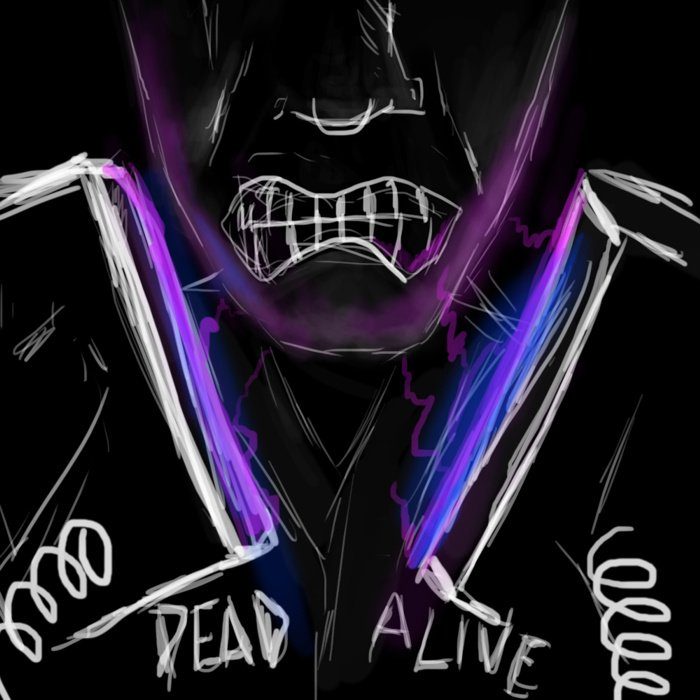
When we started working on the artwork, we weren’t even sure how the album would be titled, so we played with different ideas but weren’t fully convinced by them. Strong contenders back then were “Once and for All” and “Dead and Alive”.
Since we received many comments on “The Pulse of the Dead” saying things like “It’s impossible that dead people have a pulse” or “How can dead people have a pulse?”, we decided to add even more controversy and, inspired by Schrödinger’s cat, chose the title “Dead and Alive”.
It perfectly described how we felt as a band during the previous five years: dead from the outside because no new album was visible yet, but alive internally because we were constantly working behind the scenes.
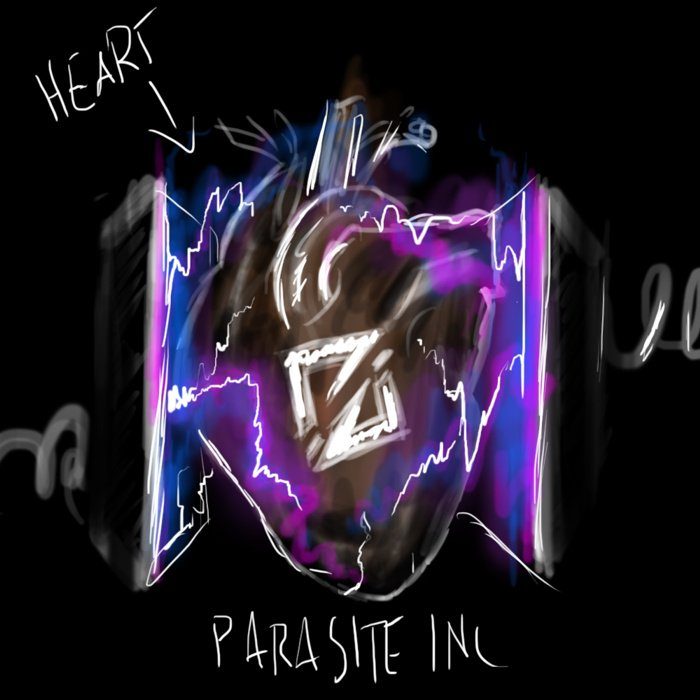
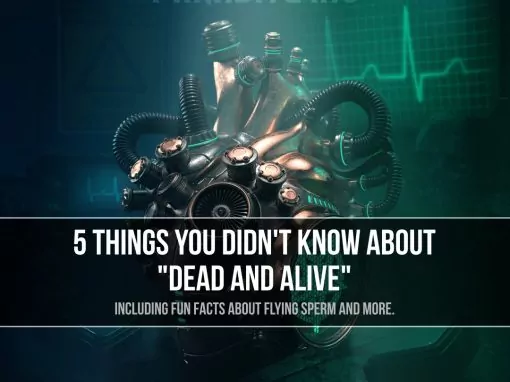
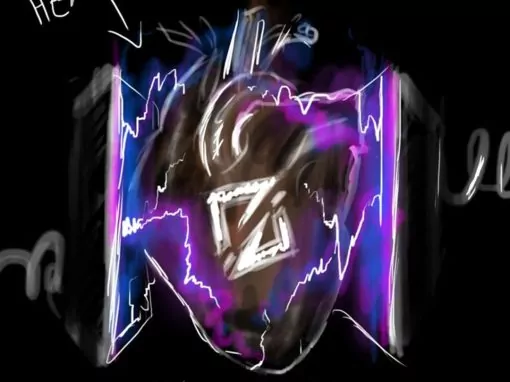
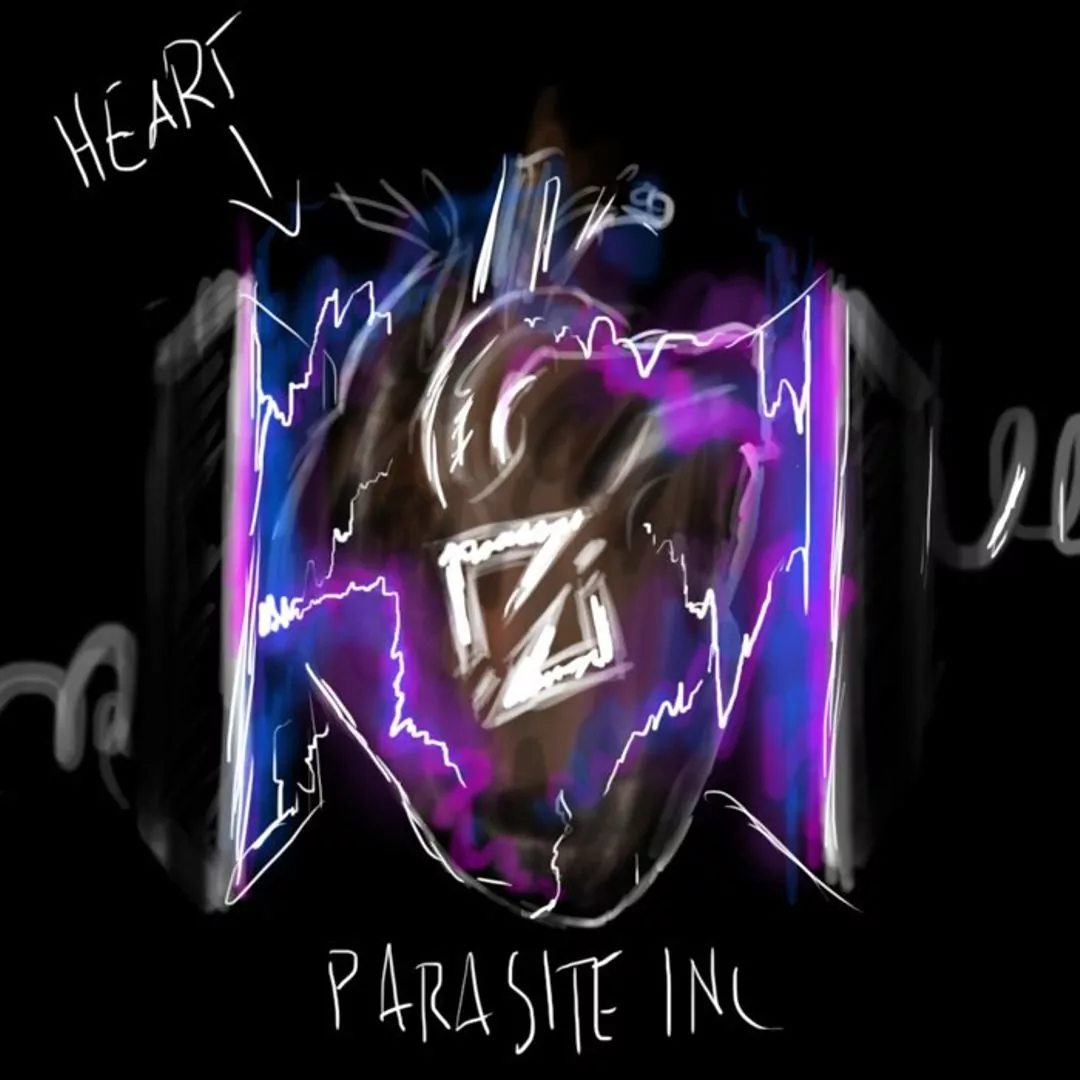
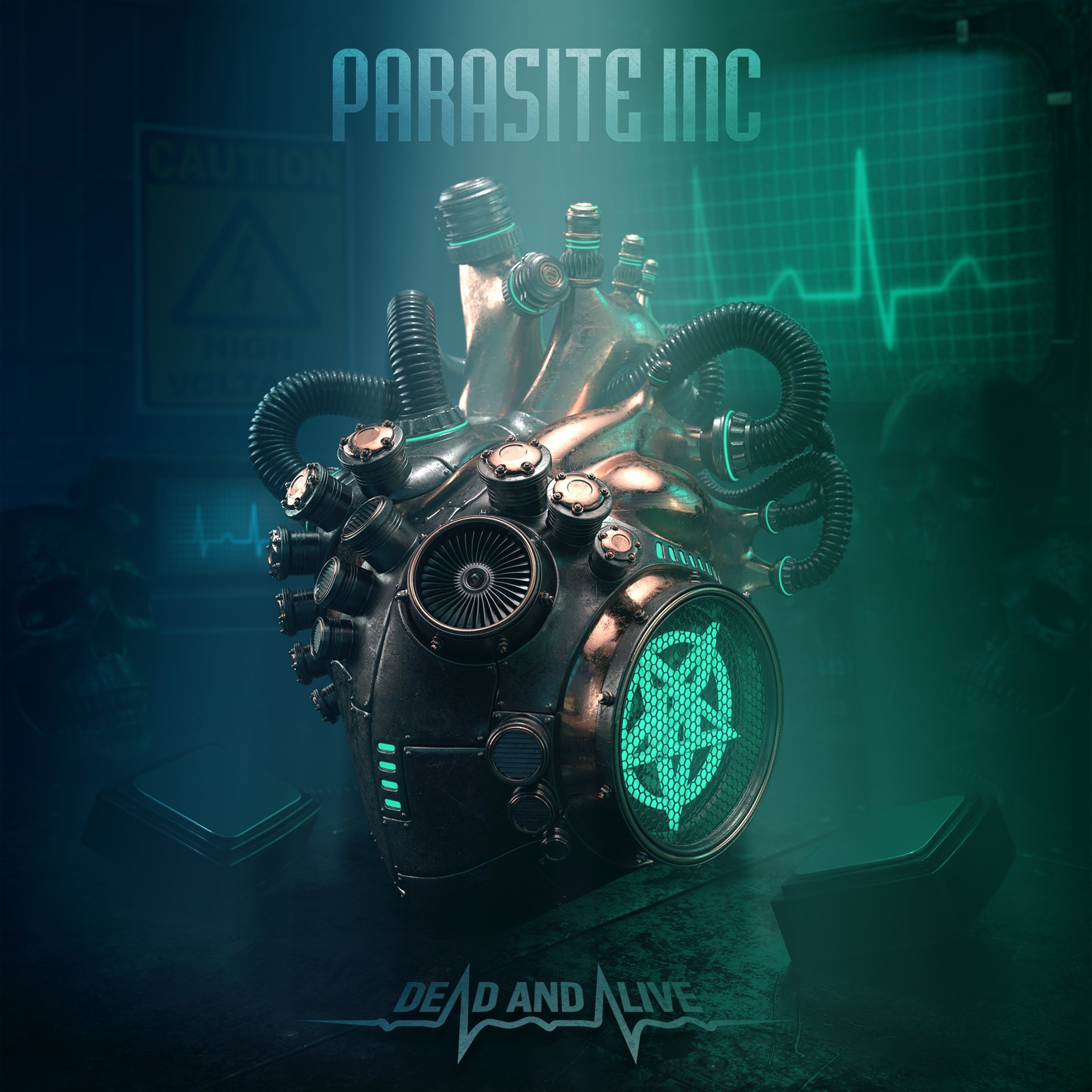
Once the title was finalized, things progressed quickly. After the first concept drawing showing the two defibrillator pedals, Kai created a new draft introducing a heart between them - forming the core idea of the final artwork: a dead heart that can be reanimated at any moment.
To stay consistent with earlier artworks featuring metallic elements like cogwheels, iron plates and mechanical structures, we decided that the heart should not be human but robotic. Besides fitting the concept better, real human hearts look pretty terrifying outside the body.
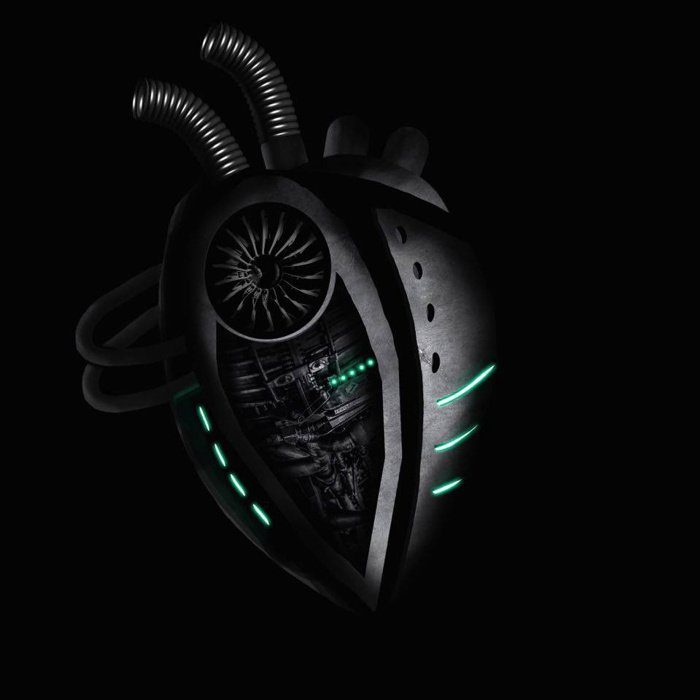
From 2D to 3D
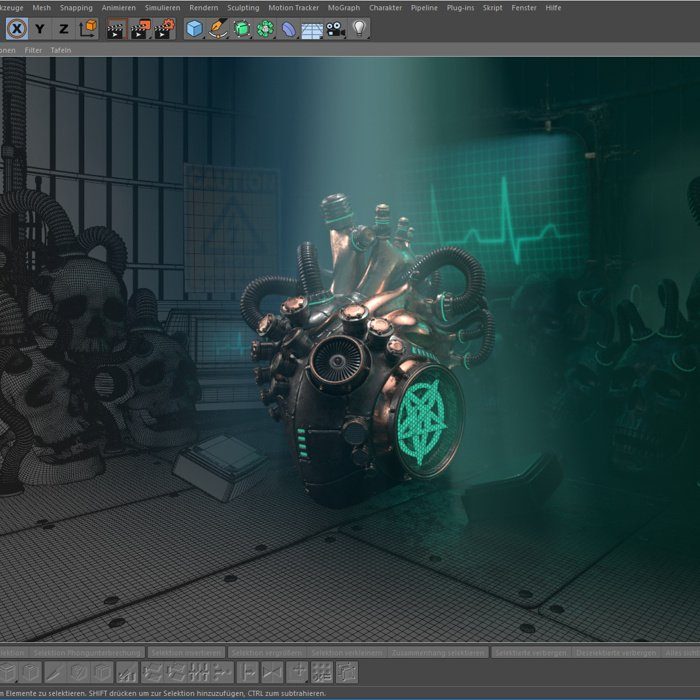
With the concept established, I started building all artwork elements in 3D. The main advantage of working in 3D is flexibility: perspectives, aspect ratios and compositions can be changed later without losing quality. It also allows easy creation of wallpapers and additional visual material.
The challenge with 3D is avoiding a cheesy look, so my goal was to combine the aesthetics of classic 2D artwork with the technical advantages of a fully rendered 3D scene.
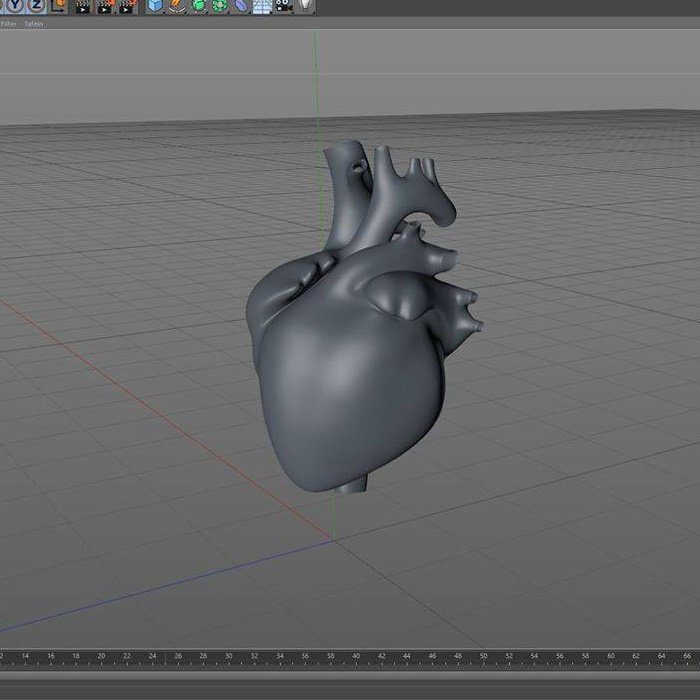
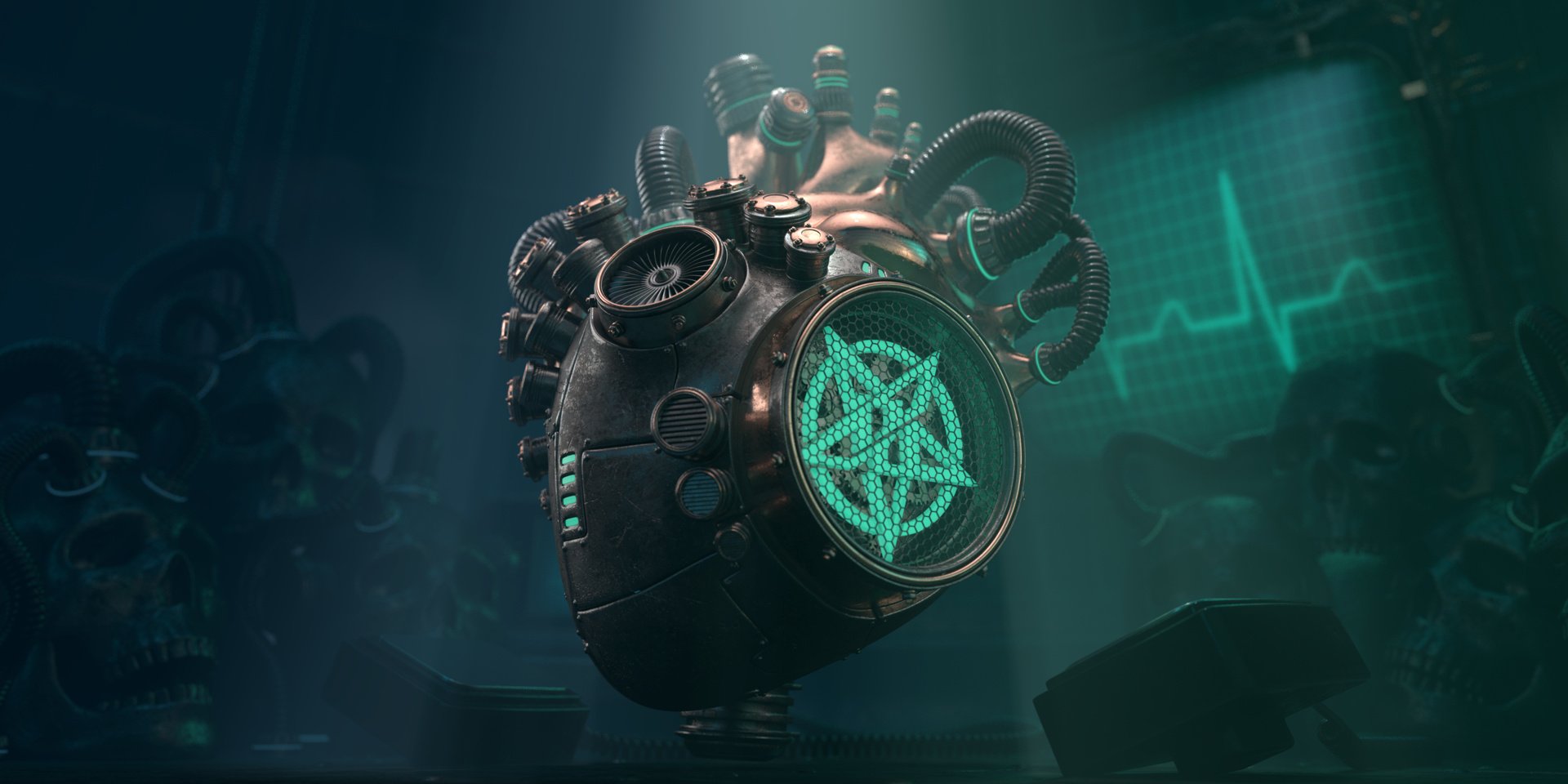
From there it took several weeks to refine everything. My main focus was making the robotic heart look believable and functional. More mechanical parts and details were added over time, and the model was built fully animatable.
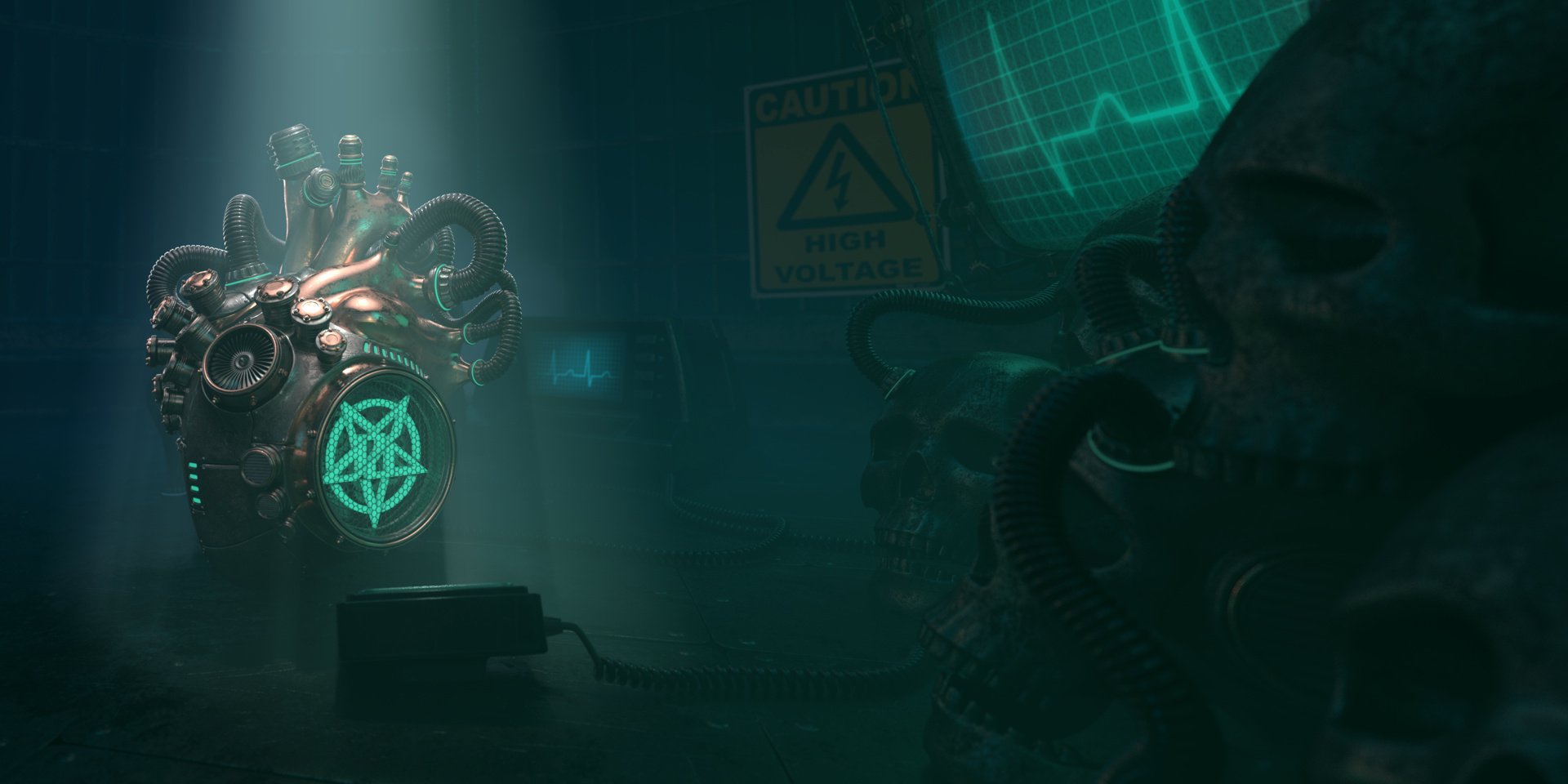
The surrounding scene represents a laboratory environment where the robotic heart was constructed, tested and finally brought from “dead” to “alive” using an electric shock.
The Result
After roughly 300 hours of animation rendering and about 4–5 hours per CD artwork or booklet image, we finally had the complete image pool needed to assemble the final artwork.
And that’s the story behind how the “Dead and Alive” artwork evolved from the first draft to the final result.
With animation:
You are currently viewing a placeholder content from YouTube. To access the actual content, click the button below. Please note that doing so will share data with third-party providers.
More Information